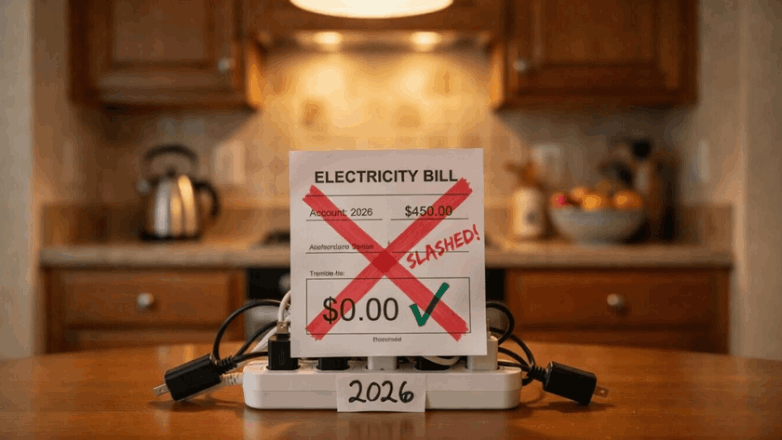
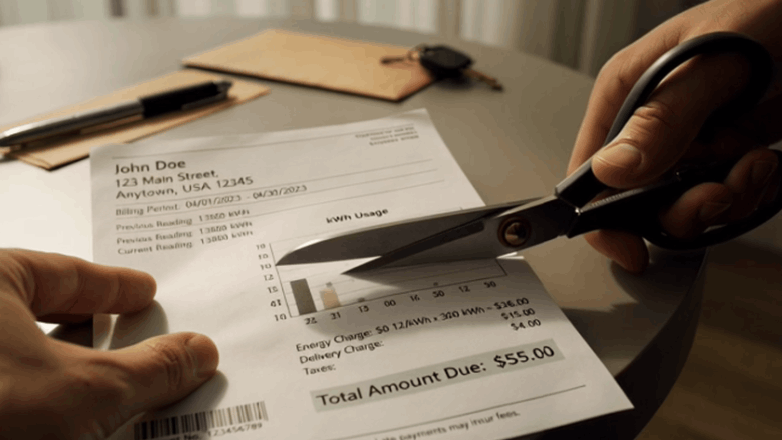
You open the utility bill in July and feel your stomach drop before you even read the total.
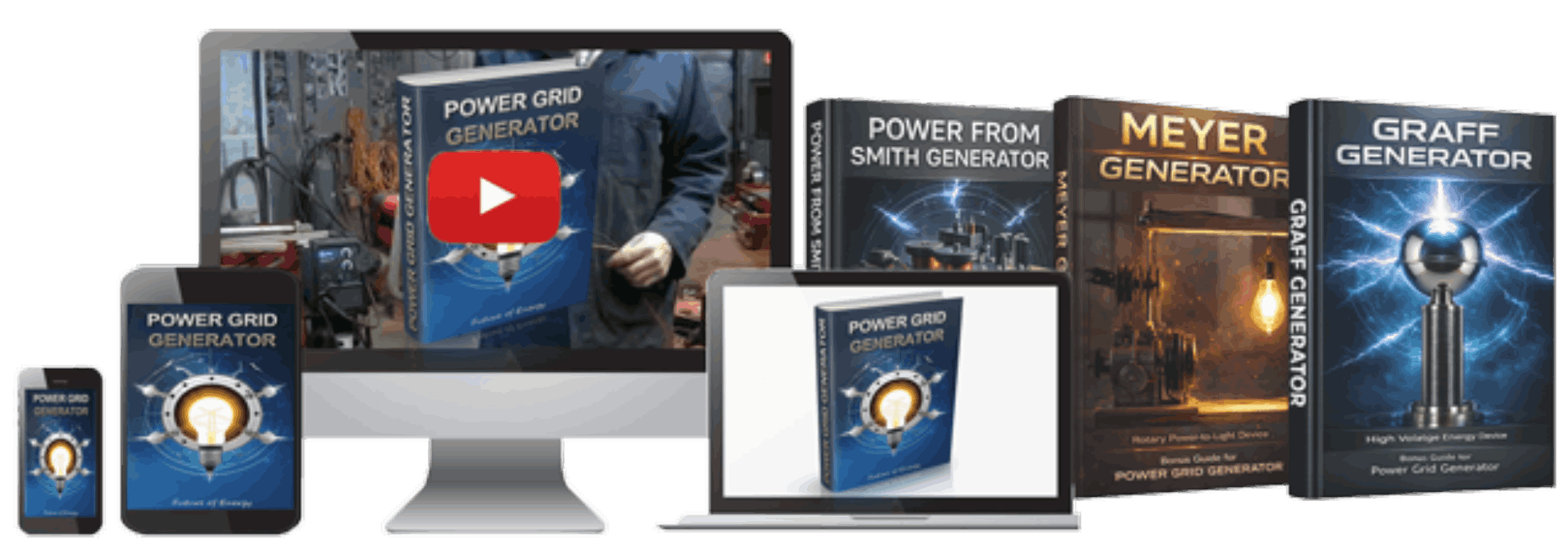
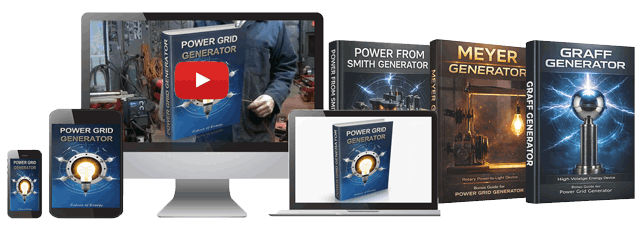
Illustrated blueprints, a parts list, and video walkthroughs that show you how to build a compact energy-recovery generator at home. Written for beginners, priced at $49, and backed by a 60-day refund.
Regular price $69. One payment. Instant digital access.
Most households have no control over where their electricity comes from or what it costs. These six moments will sound familiar.
You open the utility bill in July and feel your stomach drop before you even read the total.

You set the thermostat two degrees warmer than you like, then argue with yourself about it all afternoon.

A storm knocks out the lights during dinner, and all you own for backup is one dying flashlight.
The freezer starts warming on day two of an outage while you count how much food you are about to lose.

You drive to three stores before a hurricane and find every portable generator sold out.

A solar quote lands in your inbox with five figures on it, and you quietly close the email.
The root cause is simple. Nearly every home draws every watt from a single grid connection. The utility sets the rate, and storms, heat waves, and aging equipment decide when the power stays on. You have no say in either one.
Power Grid Generator is a DIY guide built around that gap. It teaches you to assemble a small energy-recovery generator of your own. This page treats it as what it is: a build-it-yourself project for supplemental power, not a replacement for the grid.
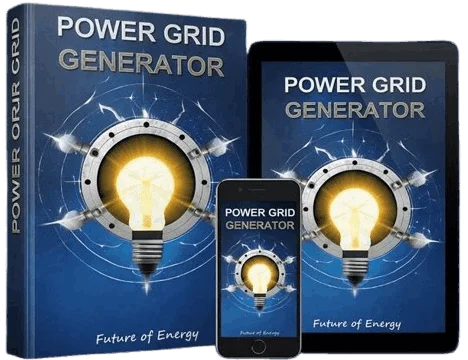
Power Grid Generator is a digital DIY guide. It bundles illustrated blueprints, schematics, a parts list, step-by-step instructions, and video walkthroughs. You follow along to build a compact coil-based generator inspired by Nikola Tesla's work on induction and resonance.
PowerGrid Generator is built around energy recovery. That means capturing energy a system would normally lose and putting it back to work, much like an electric car recovers energy while braking. Power Grid Generator build takes about two hours and that a small-scale version needs roughly $73 in parts.
This is a project, not an appliance. You order a digital guide, buy parts at a local store, and assemble the unit yourself. That suits people who enjoy hands-on work and does not suit anyone who wants plug-and-play. The quality of your build sets the result.
Homeowners across the United States, from hurricane country on the Gulf Coast to the snowbound Northeast, have good reasons to want a backup source of power.
Nikola Tesla was a real and important inventor. His alternating current patents from 1887 and 1888 helped shape the electrical grid that powers American homes today. On March 13, 1895, a fire destroyed his laboratory on South Fifth Avenue in New York, and years of notes and equipment were lost. He died on January 7, 1943, in a New York hotel room.

The sales presentation for Power Grid Generator goes further. It claims blueprints were hidden inside a hotel wall and that energy companies buried the invention. That part is a story told by the seller, and no outside source confirms it. Here is how this page treats it: the Tesla history above is documented, the hidden-blueprint tale is marketing, and the guide should be judged on what it actually teaches.

Every piece of the guide exists to help a first-time builder get from parts list to working unit without guessing.
The blueprints show each component of the build in labeled illustrations. You can see where every coil, magnet, and connection belongs before you touch a tool. Visual plans remove much of the guesswork that trips up first-time builders. Keep them open on a tablet or print them for the workbench.
Visual, easy to followThe schematics map how current moves through the unit. Reading them helps you understand why each part sits where it does. That understanding pays off when a connection is not behaving and you need to troubleshoot. A beginner can follow the labeled symbols with a little patience.
Clear wiring logicThe manual breaks the build into short, ordered stages. Each stage covers one task, so you never juggle five things at once. it takes a little over an hour. After that you build at your own pace.
Beginner friendlyThe parts list names every item you need, so you can shop at an electronics or hardware store without guessing. Power Grid Generator puts a small-scale build at around $73 in parts. Knowing the total before you buy helps you decide whether the project fits your budget.
Shop with confidenceThe videos show the build being done, not just described on a page. You can pause, rewind, and copy each move at your own speed. Watching a step first makes the written instructions click, especially for visual learners.
Watch, then buildIf you get stuck, you can email us for help during the 60 days after purchase. That window matches the refund period, so you can build, test, and ask questions before deciding. Support is no substitute for a licensed electrician on any job that touches your home's wiring.
Real help when stuckThe timeline below follows the 60-day refund window, so you can build, test, and decide with time to spare.
Electricity flows when a magnetic field moves through a coil of wire. Michael Faraday described this induction in 1831, and every power plant since has relied on it. In this phase you learn how coils and magnets interact, buy the parts on the list, and assemble the unit. Most builders finish assembly in one or two sessions.
A coil paired with a capacitor forms a resonant circuit. At the right frequency, energy swings between the two with very little loss. The guide builds on ideas like this to recover energy that would otherwise vanish as heat. No circuit creates energy from nothing, so measure real output with a plug-in meter and adjust until the unit runs steadily.
By now you know what your build can actually power. Small builds suit low-wattage loads such as LED lights and phone chargers. If the results please you, the bonus guides offer related projects to explore. If they do not, you still have time before day 60 to ask for a refund.
The payoff is not a magic bill of zero. It is a modest source of power, a useful skill, and a little more calm when the weather turns.

A lamp glows in the kitchen during a blackout, powered by something you built with your own hands.

You check a plug-in power meter with a coffee in hand and finally see exactly where your energy goes.
You hold a finished, working unit and realize you assembled it in a single afternoon.
Your kids hand you the next part and ask how a coil makes a bulb glow, and you actually know the answer.
You pause the video, rewind ten seconds, and get the wiring right on the second try.
You finish the main build and start on a bonus guide because you are curious what comes next.
$69 is the regular price. The $49 price is available now and may change without notice.
The guide includes a detailed parts list showing the components you’ll need before you start the build. This makes it easier to get ready before you start, and it cuts down on the guess work of finding the right materials.
The instructions are not for engineers. Some basic hand tools and patience and care working with small electrical components will be needed, but the project is designed to be approachable for beginners.
Designed for low-power needs, this compact build can charge phones, laptops, LED lights, small fans, and radios. Final output depends on coil size, magnet strength, and assembly quality. Use it as a supplemental DIY backup project, not a full-home grid replacement.
You will have to purchase the parts, go through the diagrams, and then put the pieces together on your own. When you attach that last wire, you will not only have a generator but know everything there is to know about its maintenance and repair.
PowerGrid Generator is a practical project as opposed to an off-the-shelf gadget. It is necessary for one to acquire all the needed parts, adhere to the provided instructions, assemble the device, and try out the assembled gadget. This document is crafted in such a way that it helps in understanding all that is needed at every step.
You have a complete 60 days to download the guide, purchase the components, construct the machine, and try it out yourself. Should the product not measure up to your expectations, or if you just feel that DIY is not for you, the 60-day money back guarantee we offer will take care of your purchasing costs.
Today's price is $49, down from the $69 regular price.
One-time payment in US dollars
Save $20 plus $177 in free bonuses🔒 Secure checkout. One payment, no subscription. The order page may show optional add-ons, which you can decline.
These companion guides give you more projects to try once the main build is done, so your learning does not stop at one device.
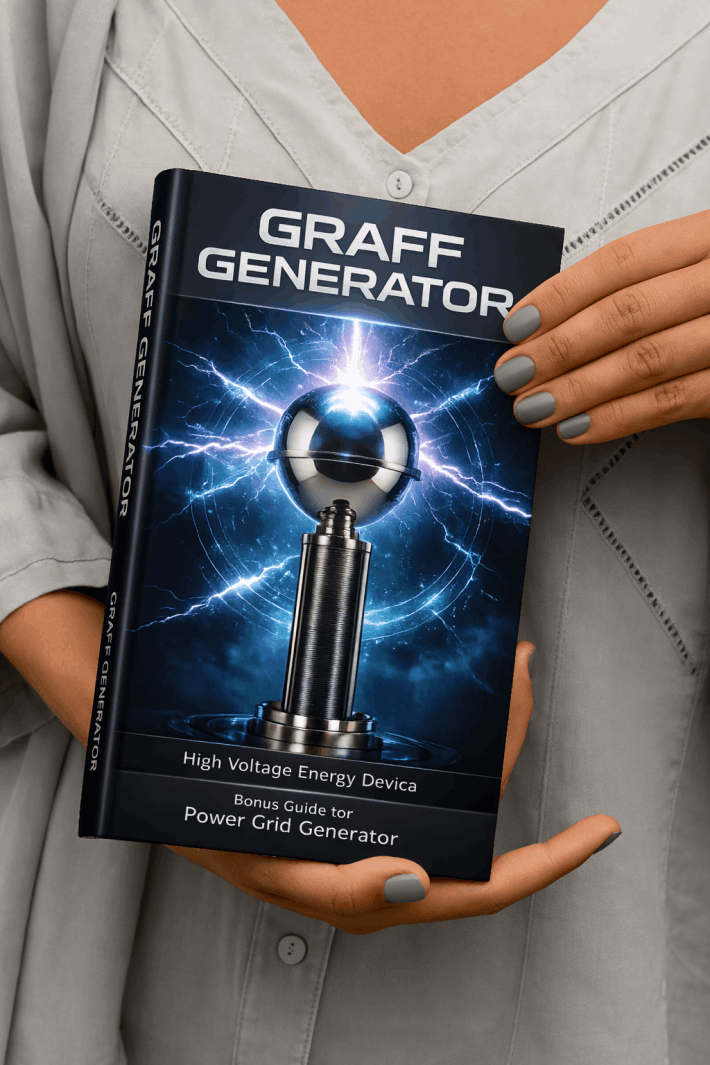
This companion guide covers a high-voltage energy device and follows the same step-by-step style as the main blueprint. Treat it as a learning project. High voltage can hurt you, so follow safe practices at every stage.
FREE: Instant Digital Access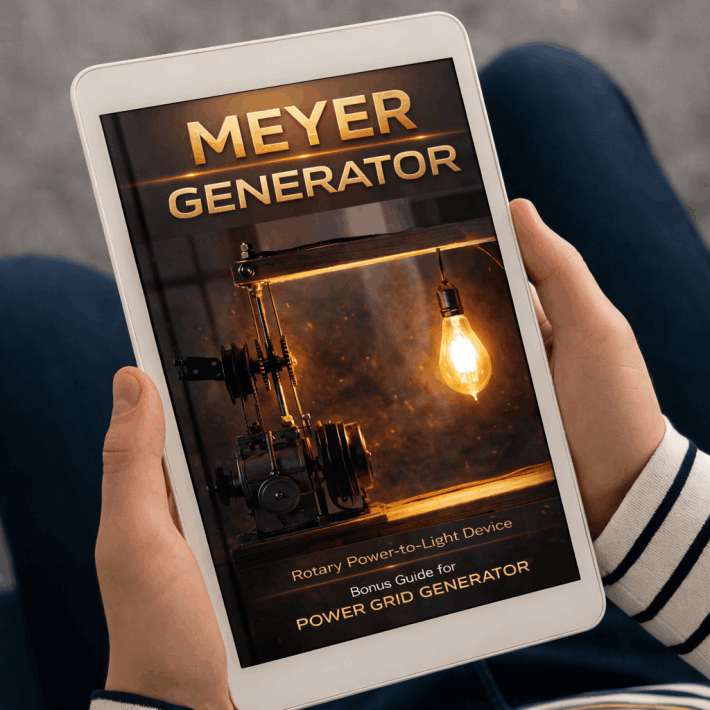
The cover describes this guide as a rotary power-to-light device. It gives you a second hands-on project once the main build is done. Working through it deepens your grip on how motion and magnetism turn into usable energy.
FREE: Instant Digital Access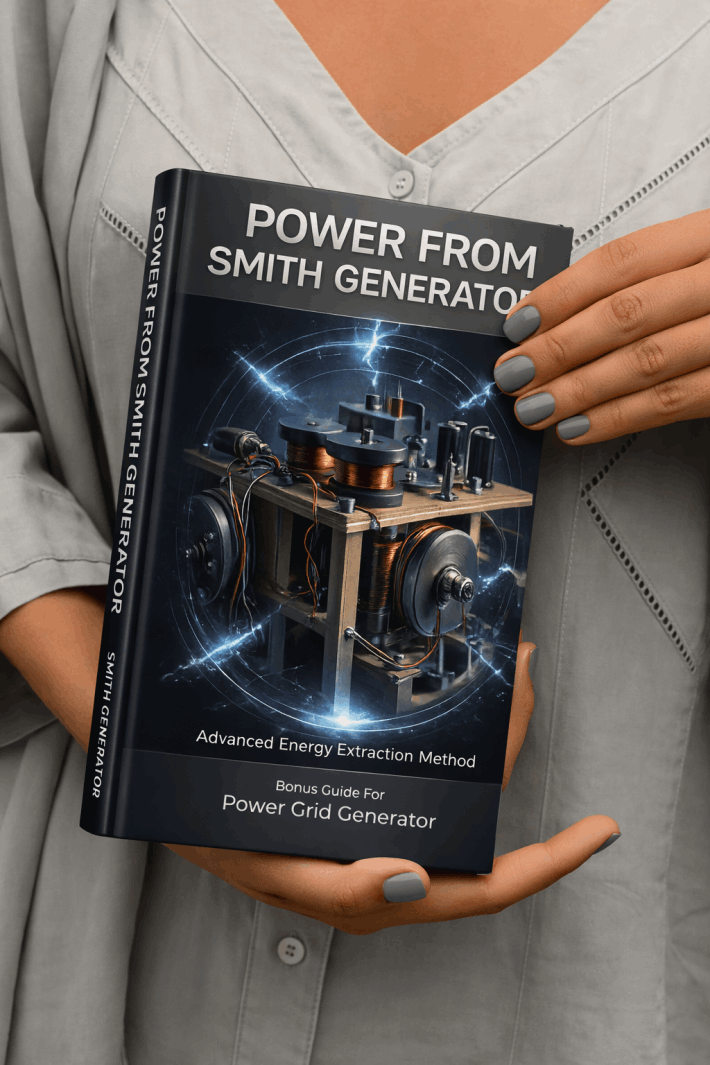
A third companion guide, this one built around the Smith generator concept. It suits readers who finish the first build and want to compare a different design. Like the others, it arrives as an instant digital download.
FREE: Instant Digital AccessSkepticism is the right starting point. Plenty of online energy guides promise far more than they deliver, and you have probably seen a few. Doubting a claim like "free power" is healthy, not paranoid.
Here are the terms. Buy the guide, build the unit, and test it with a plug-in power meter. If you are not satisfied within 60 days, email us using the address in the members area and ask for a refund. refunds are issued without questions, and that you keep the guide and bonuses.
Your exposure is small. The guide itself is fully refundable, and the only money you cannot recover is what you spend on parts, which the guide puts at roughly $73 for a small build. You get two months to find out whether the project is right for you.
Try It Risk-Free for 60 Days →Good buyers ask hard questions. Here are the ones that come up most, answered without spin.
That is a fair concern. This guide includes a parts list, schematics, and video walkthroughs, which cover the two most common failure points: buying the wrong parts and missing a step. If it still falls short, the 60-day refund applies to the guide.
Any electrical project carries risk, including shock and fire. Work with tools you already know how to use, keep the unit away from anything flammable, and ask someone experienced to check your wiring. Never connect it to your home's electrical panel without a licensed electrician.
It takes about two hours, so you can learn the same day whether it produces measurable output. Give yourself a few weeks of testing with a plug-in meter to understand what it can realistically power.
No. It is one-time payment of $49 with no recurring billing. The order page may show optional add-on offers. You can decline them.
No. The guide teaches a coil-based generator build, not a solar array or a storage battery.it does not depend on sunlight. Output is still modest, so plan on small loads.
You have 60 days to decide. Email the us and ask for a refund. Your only unrecoverable cost is the parts you bought yourself, which the guide prices at roughly $73 for a small build.
Yes—but only with a larger-scale build. The smallest version is presented as a demonstration unit, while larger builds are described as capable of powering common household appliances, including refrigerators, air conditioners, lighting, and other everyday devices.
No. The guide is written for beginners and includes videos for each stage. Comfort with basic hand tools and a willingness to follow instructions carefully matter far more than credentials.
Tesla's alternating current work and the 1895 lab fire are documented. The hidden-blueprint tale is part of the seller's pitch and cannot be verified. Buy for the practical guide, not the legend.
Most builders complete the entire PowerGrid Generator project in about 2 to 3 hours. It typically takes 45 to 60 minutes to review the guide, parts list, and step-by-step schematics so you know exactly what to expect. Once you have your materials together, the physical assembly—connecting the frame, arranging the coils and magnets, and wiring the components—takes about 1 to 2 hours. If you have basic tools or a second pair of hands to help, the build goes even faster.
It may offset a small portion of your usage if you use it to run low-wattage devices. Reviewers warn against expecting a dramatic drop or a zero bill. Your savings depend on what you power and how well your build performs.
Any electrical project carries risks such as shock, burns, and fire. Follow the guide, use insulated tools, keep the unit away from flammable materials, and never plug it into a wall outlet to feed your home. Have a licensed electrician handle any connection to household wiring.
No engineering background is required, and read the guide clearly. Basic hand tools and comfort with small wiring tasks help. The video guides walk through each step so you can watch before you build.
No. It is one-time payment of $49 with no recurring billing. The order page may show optional add-on offers. You can decline them.
Yes. Unlike solar panels, it works 24/7, rain or shine, without batteries for energy storage. It’s also silent, portable, and safe for indoor or outdoor use.
A gas generator delivers far more power but needs fuel, makes noise and fumes, and cannot run indoors. Solar can power a whole home but often costs five figures to install. Power Grid Generator is a low-cost, low-output DIY project that fits best as supplemental backup power.
Tesla's alternating current work and the 1895 laboratory fire are documented history. The claim of hidden blueprints and a suppressed invention comes from the seller's sales presentation and cannot be verified. Judge the guide by what it teaches, not by the legend.
Running a lamp or charger directly from a standalone unit generally needs no permit. Connecting anything to your home's wiring or panel is a different matter, and it requires a licensed electrician and compliance with local codes. Rules vary by city and state, so check before you wire anything into your house.
The next outage will arrive at an awkward time. A small, self-built power source will not run your whole house, but it can keep lights, phones, and a radio going while everyone else sits in the dark. For $49 and a 60-day refund window, it is a low-risk way to find out.

Free AI Website Maker